Looking again. The return of film photography
In a world of fast and endless digital images, photography can feel fleeting and impersonal. This essay looks at analog photography as a slower, more thoughtful way of seeing. Through works by Ukrainian photographers, it shows how shooting on film changes the process of taking pictures, and the way we experience them.
We live in a time when photographs emerge faster than we can make sense of them – and disappear just as fast. The spread of artificial intelligence and image-editing apps has stripped photography of its most essential qualities: authenticity, documentality, and with them, its function as a visual archive of record. Analog photography, unlike digital, lets you linger in the moment before it is recorded.
I shoot on film for various reasons: for the unpredictability of the outcome, for the sake of image taking a physical form. I also do it for the sake of the process itself, with its distance in time between how you imagine a shot and what emerges during development. For the sake of a moment when a photograph begins to reveal its materiality: grain, unevenness, contrast, the traces of processes that make each image unique. Finally, when everything around me goes haywire, working with analog materials is my way to slow down, to enter an emotional state where I accept the risks and stop pretending I can and have to control everything.
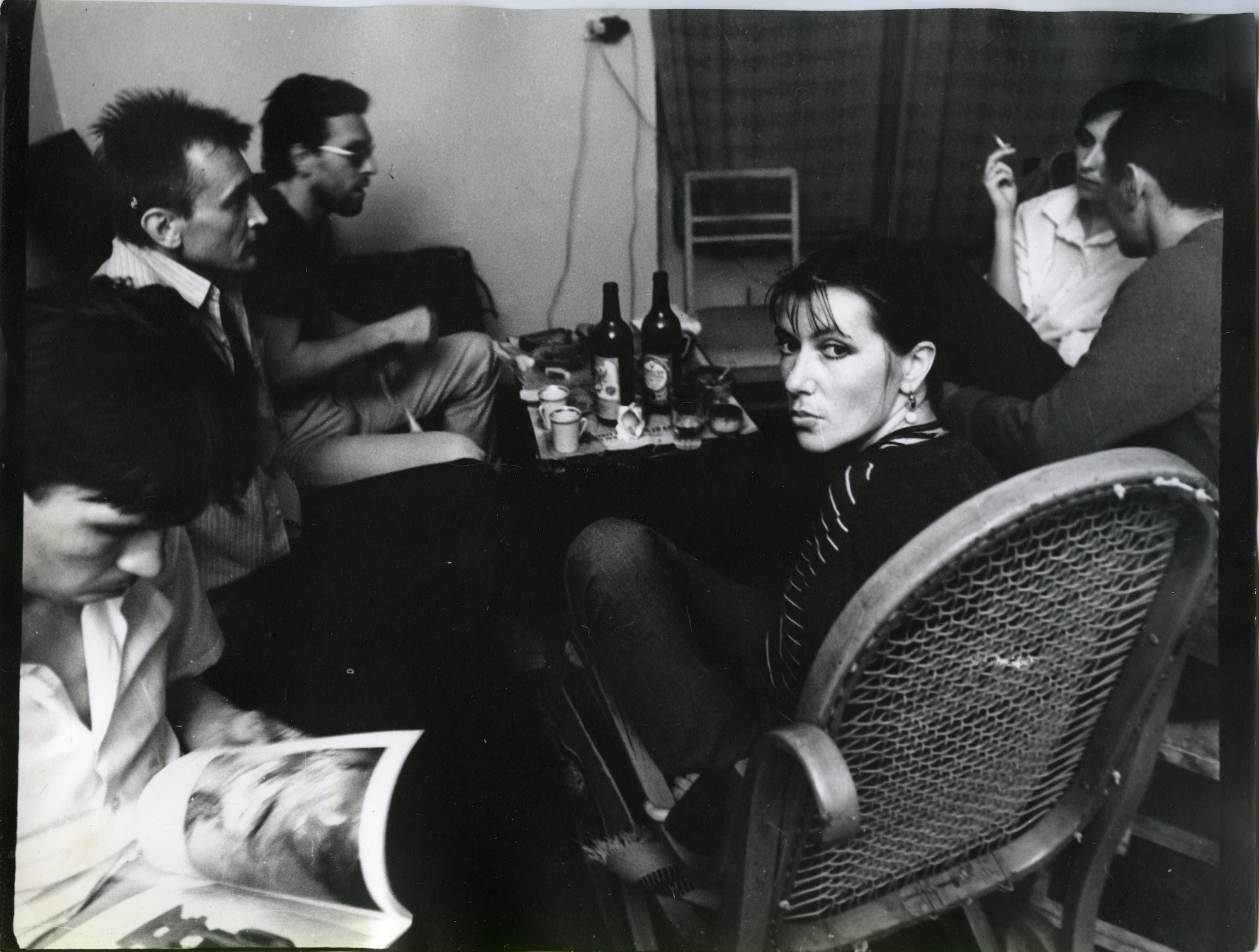
For this essay I selected photographs by Ukrainian photographers that do more than illustrate the diversity of techniques and directions within analog photography. They are examples of self-sufficient artistic expression. They allow us to speak of film as a way of thinking and seeing, not merely a format.
Due to an omnipresent digitization, analog photography is having a hard time. It is difficult to compete with generated imagery everywhere: on online platforms, in media, advertising, print, and exhibition spaces. Yet both in Ukraine and internationally, we are seeing a third wave of interest in analog photography, with more and more artists turning to physical images. And this seems to be driven not by a retrograde impulse or a desire to experiment with analog materials, but rather by a gesture of resistance against the digital age.
Working with photographic film and other light-sensitive carriers demands focus: every shot must be prepared, thought through, and felt. This approach is most common in commercial, portrait, and conceptual photography, where there is time and opportunity to build a shot unhurriedly, as if you are already living inside the final image, slowly and mindfully.
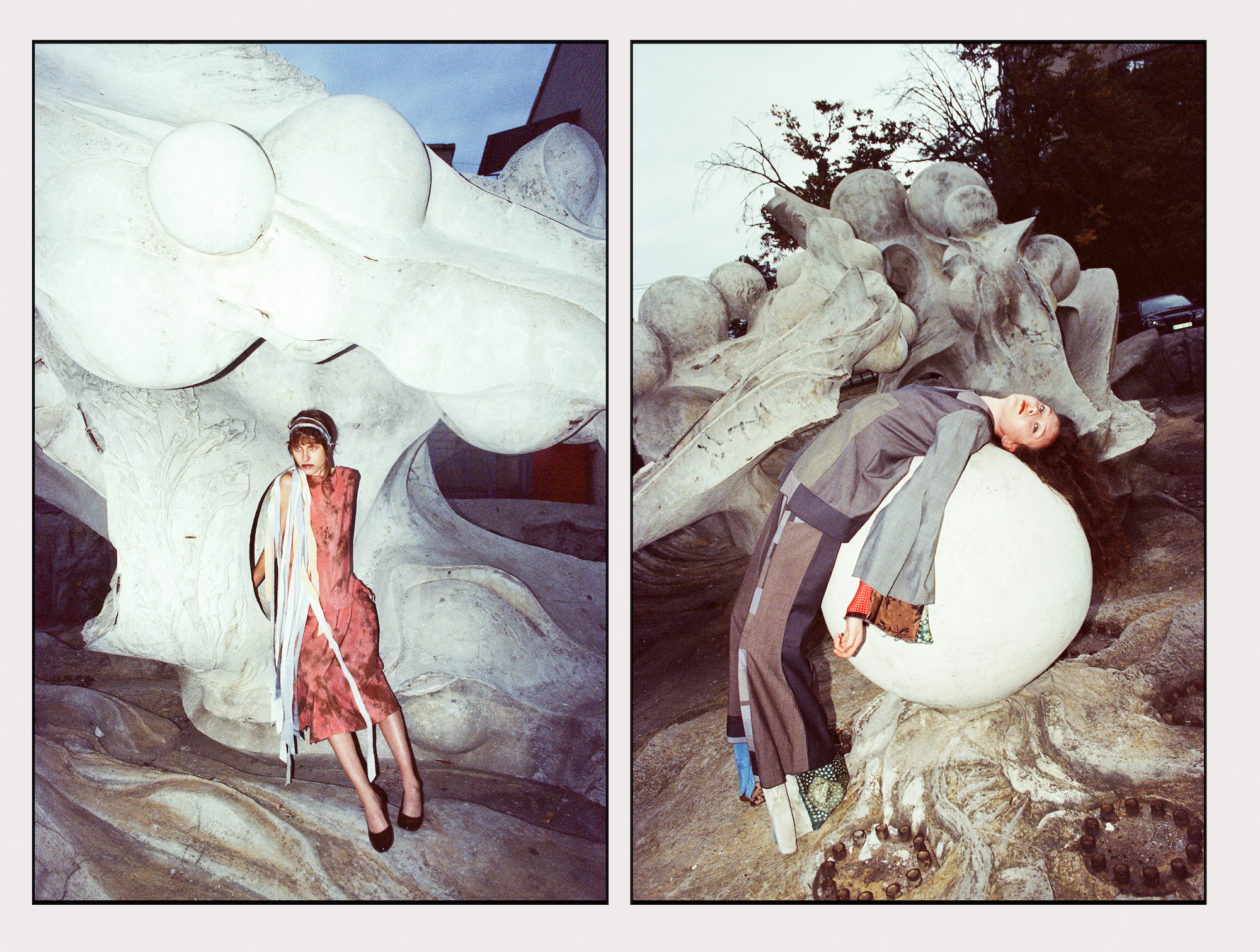
Film photography is once again gaining traction in advertising and fashion, though not as a technical alternative to digital, but as a conceptual and artistic instrument. Digital images often feel so flawless that they conjure a sense of sterility, a detachment from the act of photographing. A film shot, with its grain, tonality, soft gradations of light, and “imperfections” feels closer to something “genuine.” As a result, Ukrainian and international brands in different industries working with themes of authenticity, heritage, and craft are increasingly turning to analog photographers for their ad campaigns.
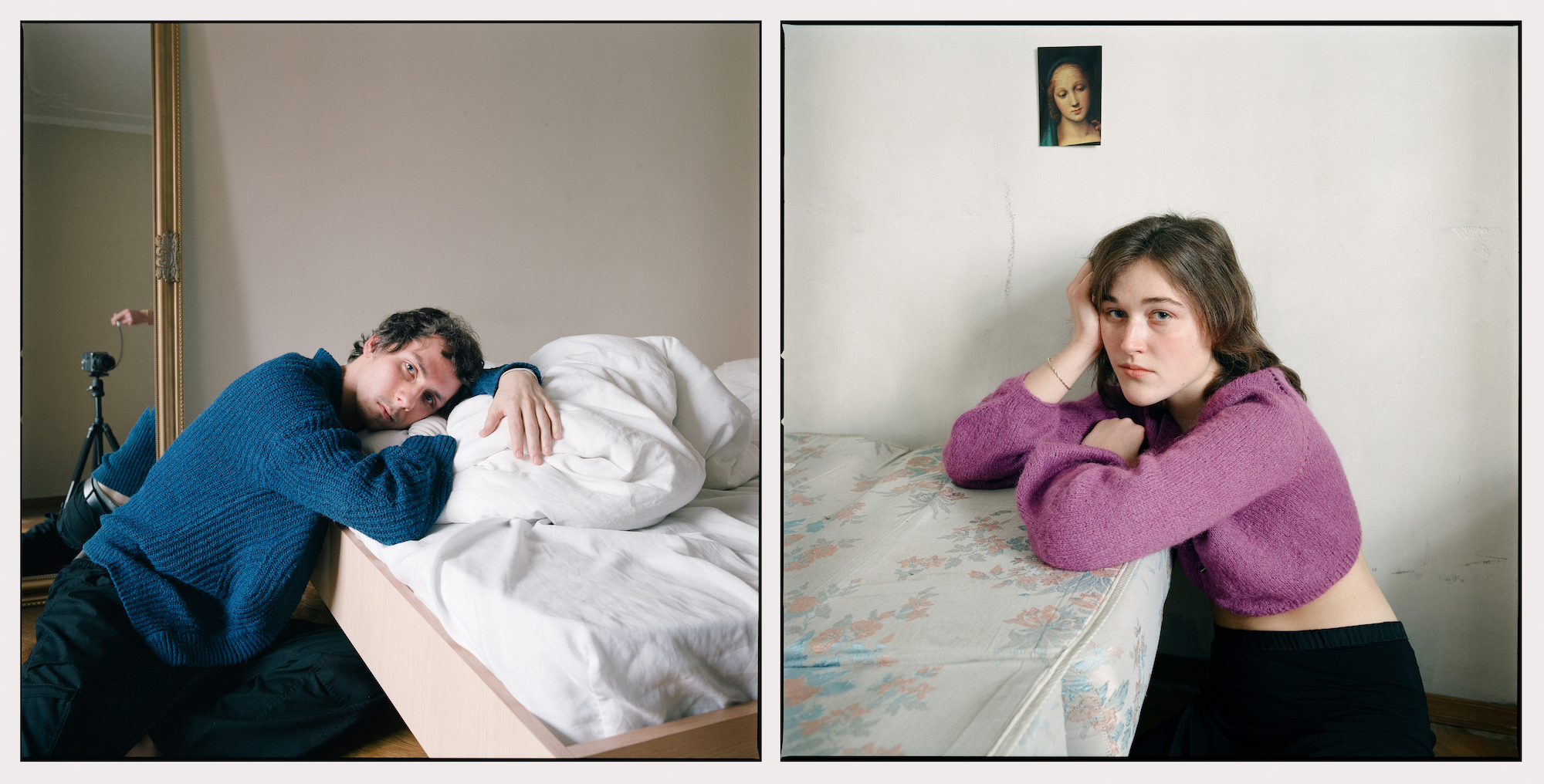
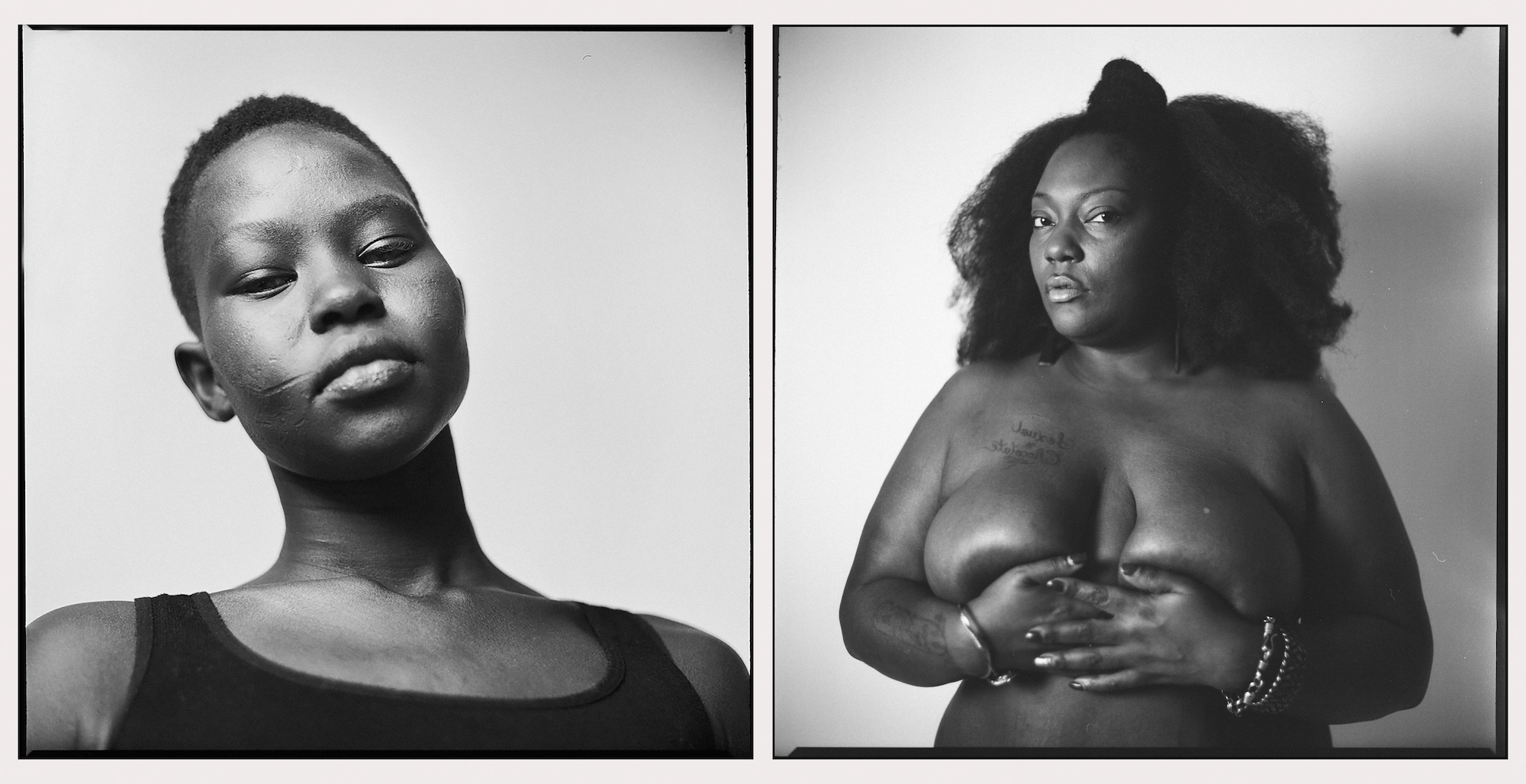
The dynamic between a photographer and a person in the frame is different, too. When shooting a portrait digitally, you can review photos instantly and adjust pose or expression on the spot if needed. With film, the process becomes slower, more intimate and trustful, more sensual: the limited number of frames and the deferred result remove any need to perform for the camera. The person whose portrait is being captured is present in the moment. This absence of affectation makes film portraits more emotionally honest and more convincing.
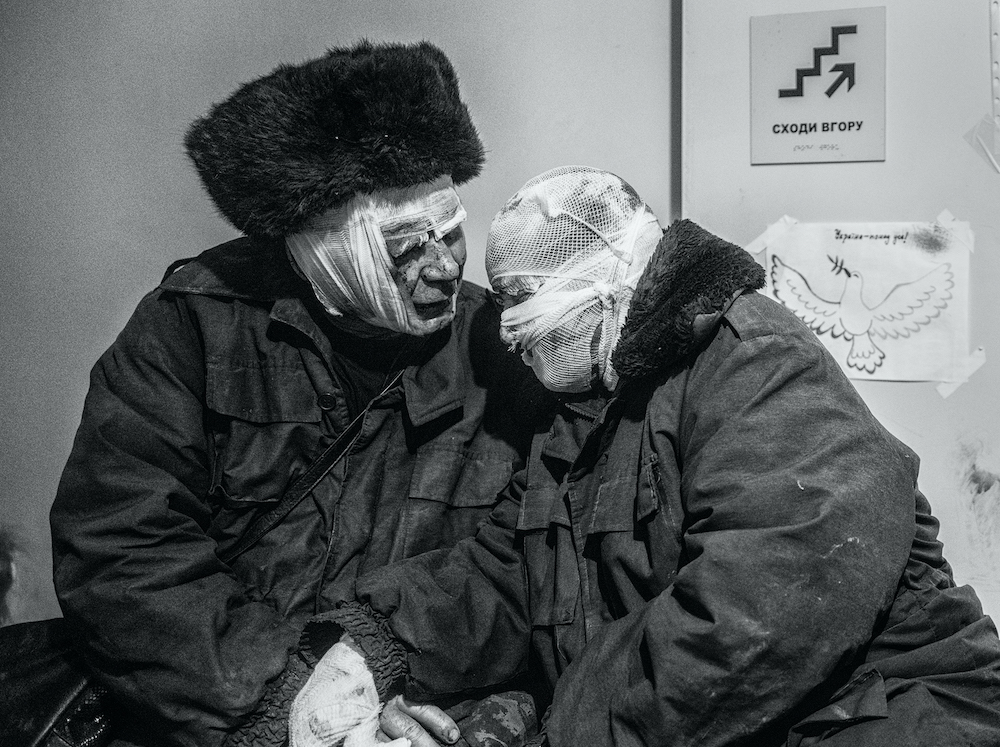
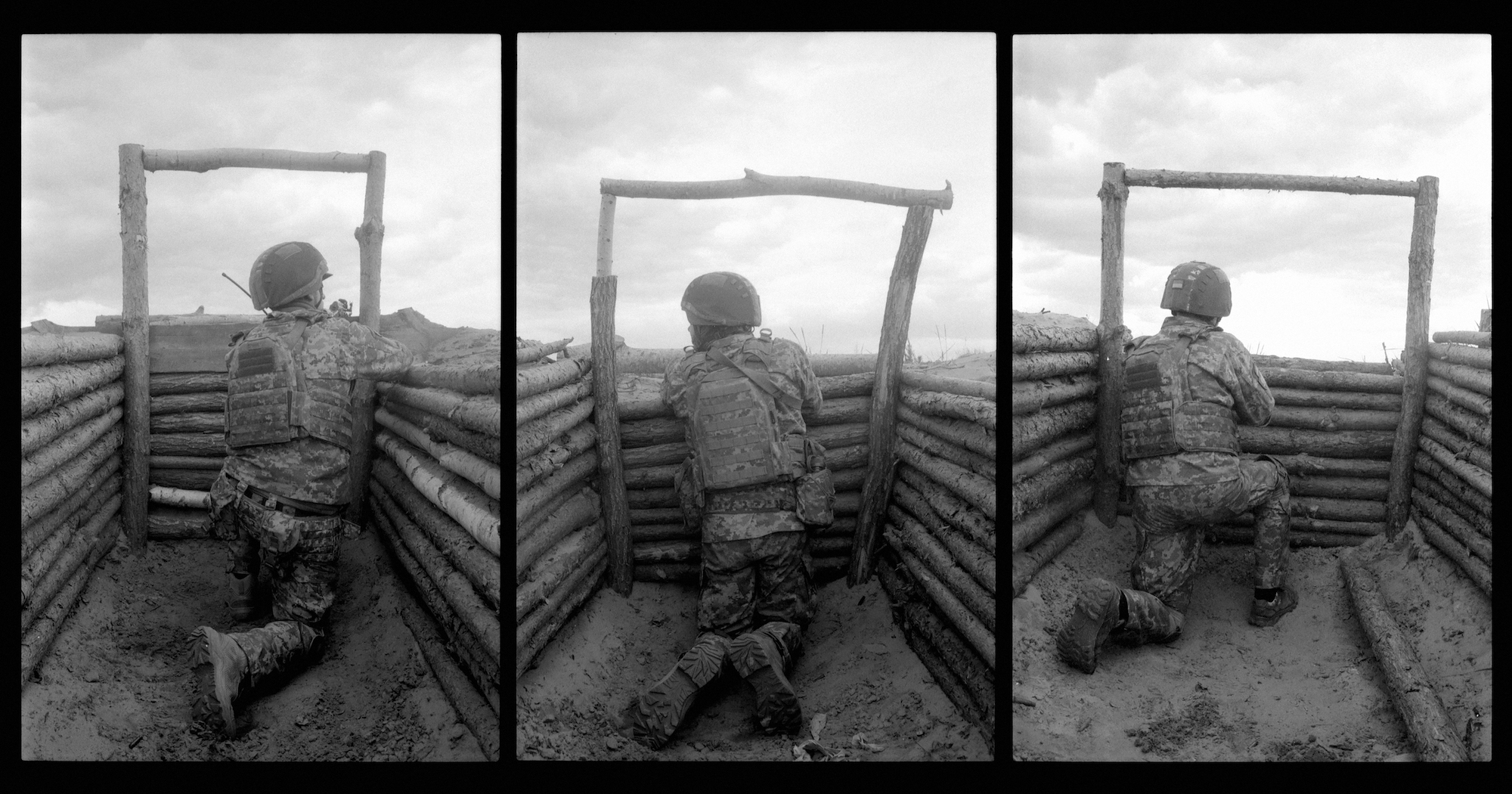
Reportage and military film photography operate under different demands entirely: a photographer must react faster, navigate space and circumstances more fluidly, know how to catch the moment, and command their equipment with precision. Today this kind of photography can feel like an anachronism. But it is precisely that apparent out-of-dateness that lends it value: resistant to quick and easy editing, film restores the status of reportage and war photography as testimony. Each frame is a decision made here and now, in specific, often dangerous, conditions.
In contemporary war, a photojournalist does not “harvest footage.” They capture events that may never recur and must be documented in their primary form. Military photographers must be acutely attentive and cannot afford to be in a rush even if a tense situation or threat to their life demands that. It is this paradox that makes film images so powerful.
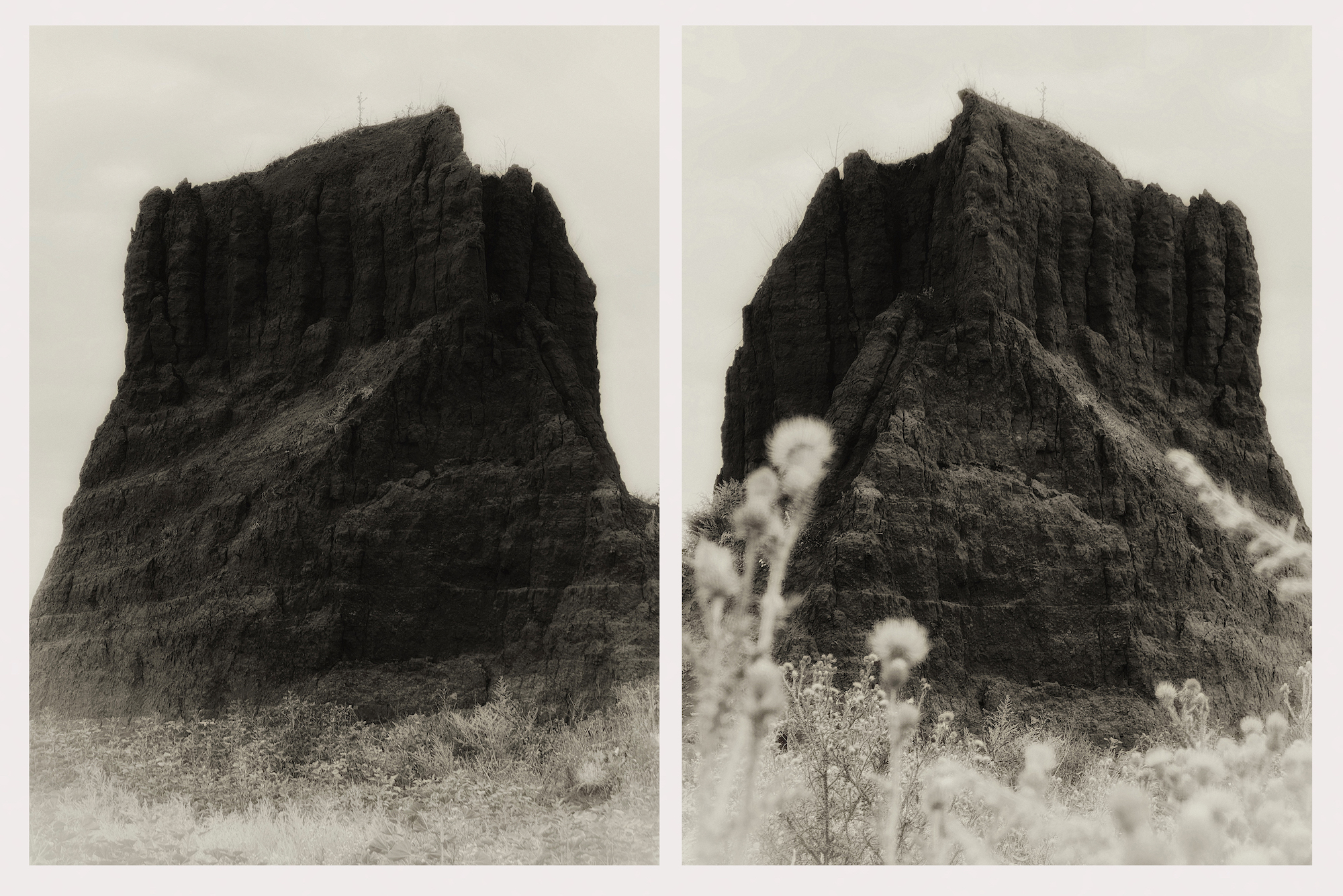
Analog landscape photography, meanwhile, has always been an unhurried conversation with time. Not with a moment, but with duration; with what has existed longer than humans and is sure to outlast them. Landscape photographers do not hunt for a good shot; they immerse themselves in the landscape, becoming part of it. A camera in their hands is not simply a tool for capturing what is visible, but a mediator between the impression from observation and the environment itself. In the constantly changing world where landscapes grow increasingly fragile due to wars, climate change, and urbanization, film landscape photography acquires an additional documentary weight, capturing not just views but the condition of a particular place at a particular historical moment.
The demand for unique artistic results and a slower, tactile process has prompted major companies to invest in renewing and expanding the production of analog photography equipment and materials. Kodak has relaunched its line of budget-friendly point-and-shoot cameras and is reopening photo printing hubs. Britain’s Harman Technology is upgrading production of its black-and-white Ilford films. Fujifilm and Polaroid are investing heavily in factories that manufacture instant cameras.
Beyond the major players, the past three years have seen the emergence of many niche producers specializing in products: photo paper, film of new formats, portable mini-printers, new emulsions, mechanical camera remakes and original new models, lomography cameras. Photographers of the third wave are embracing all of this with great enthusiasm.
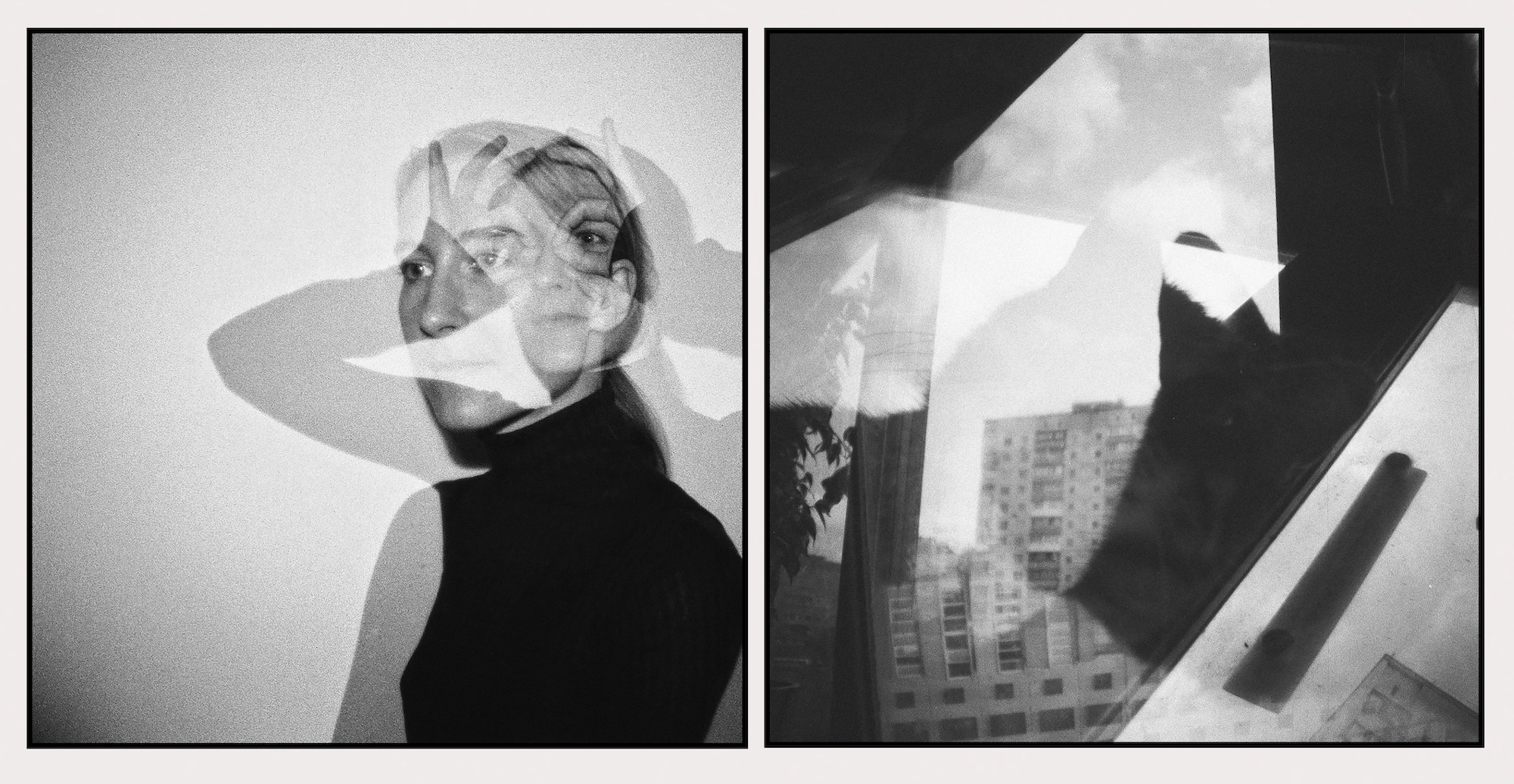
It might be said that today analog photography does not oppose digital; it coexists with it, developing in parallel. It is, rather, a different mode of thinking, one in which the photographer’s vision does not compete with speed, technical quality, or perfection because their domain lies beyond these categories altogether. Material light-sensitive carriers require an internal willingness to slow down and sit with the uncertainty of the outcome; they create space for silence: in reportage and landscape, in portraiture and urban environments, in private experience and collective memory.
Perhaps this is precisely the point of contemporary analog photography: not to race alongside time and technological innovation, but to make a pause. A pause in which photographs can become again what they were at the very beginning – —a way of truly seeing the world.
Translated from Ukrainian by Hanna Leliv