When hands trace perfect lines
The photographer Janina Mierzecka (1896-1987), like many artists, pursued the “perfect line”. This search led her to explore hands, their gestures and the connections they create between people. In her work, lines emerge not only on paper but through labor and care.
In the book The Responsibility of Forms, Roland Barthes asked, “How to draw a line that is not stupid?”
For many artists, tracing the perfect line is an essential aspiration. The painter Agnes Martin believed that the process of perfecting lines mirrored the movement of life itself. She once remarked that everyone is “on his own line (...); after you’ve made one step, the next step reveals itself”. Similarly, the American painter Dorothea Tanning believed she was guided by the perfect line: “As you drag lines like ropes across one brink of reality after another, annihilating the world you made yesterday and hated today, a new world heaves into sight”.
Others trusted the process, their hands holding the pencil guided them. In interviews, poems and short stories, the 20th century artist Erna Rosenstein often emphasized how drawing had to do with the sense of touch. She believed the pencil was guiding her; she could close her eyes and see, she could shut her ears and hear. She tried to let her hand draw freely; she revisited her sketches, aiming to achieve the perfect line.
Searching for the perfect line led those artists to creating drawings, paintings, and stories.
Yet, one artist was fascinated not by the outcome but by the very movement of hands as they created. For her, the way hands moved amounted to a quest for the perfect line. With her camera, she captured the hands of not only other artists, photographers, and writers but also of workers, craftsmen, and even children. She thought that every pair of hands was fit to serve as the artists’ hands, as a piece of art.
Her name was Janina Mierzecka, a Polish-Jewish photographer from Lviv, whose career stretched from the 1920s to the 1980s in eastern Europe, mainly Ukraine and Poland.
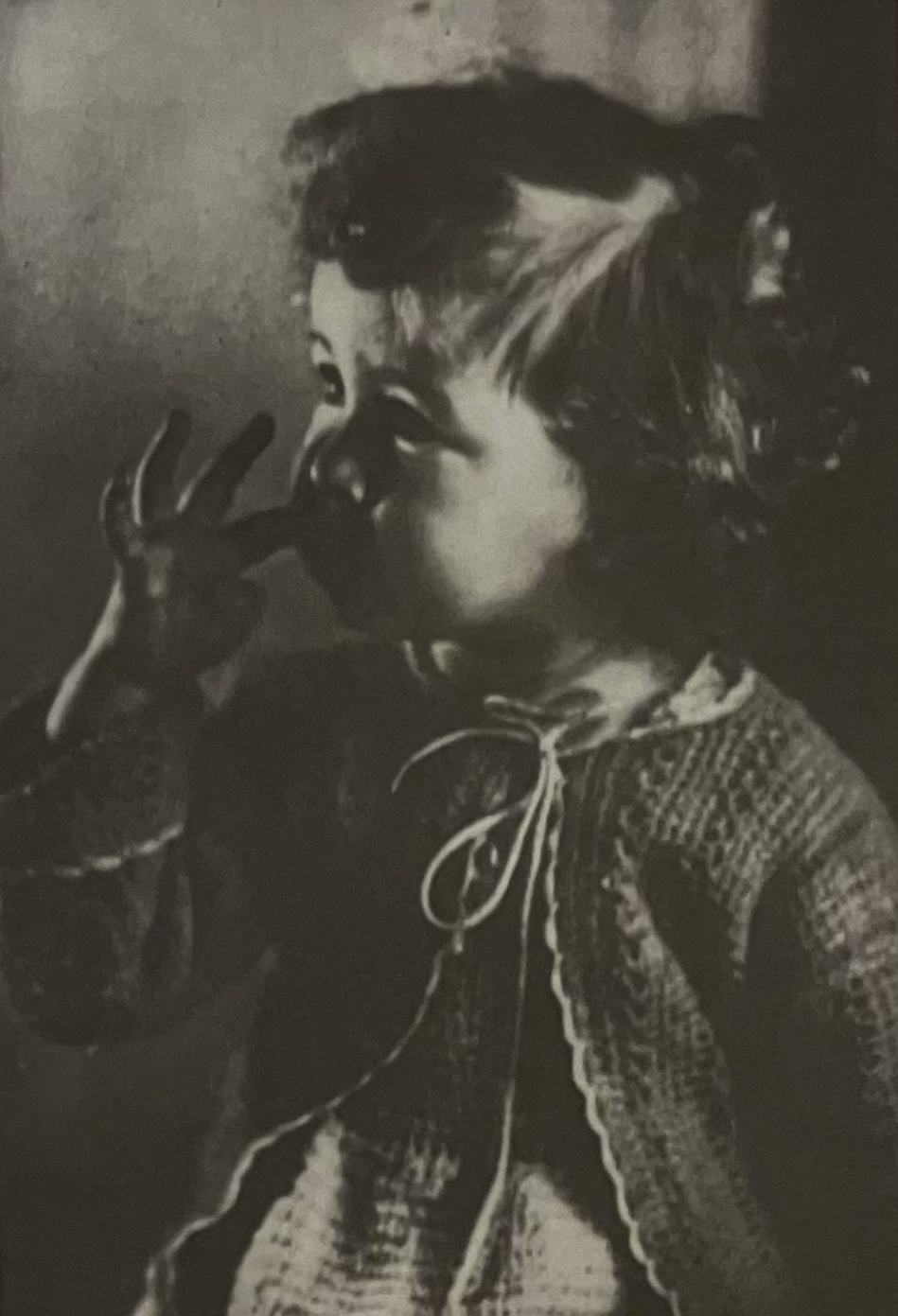
In the early 1930s, Mierzecka created a series depicting intimate lines, and connections between generations – as gestures of care. Through the motions of children's hands, she showed how we listen, engage and bond with one another.
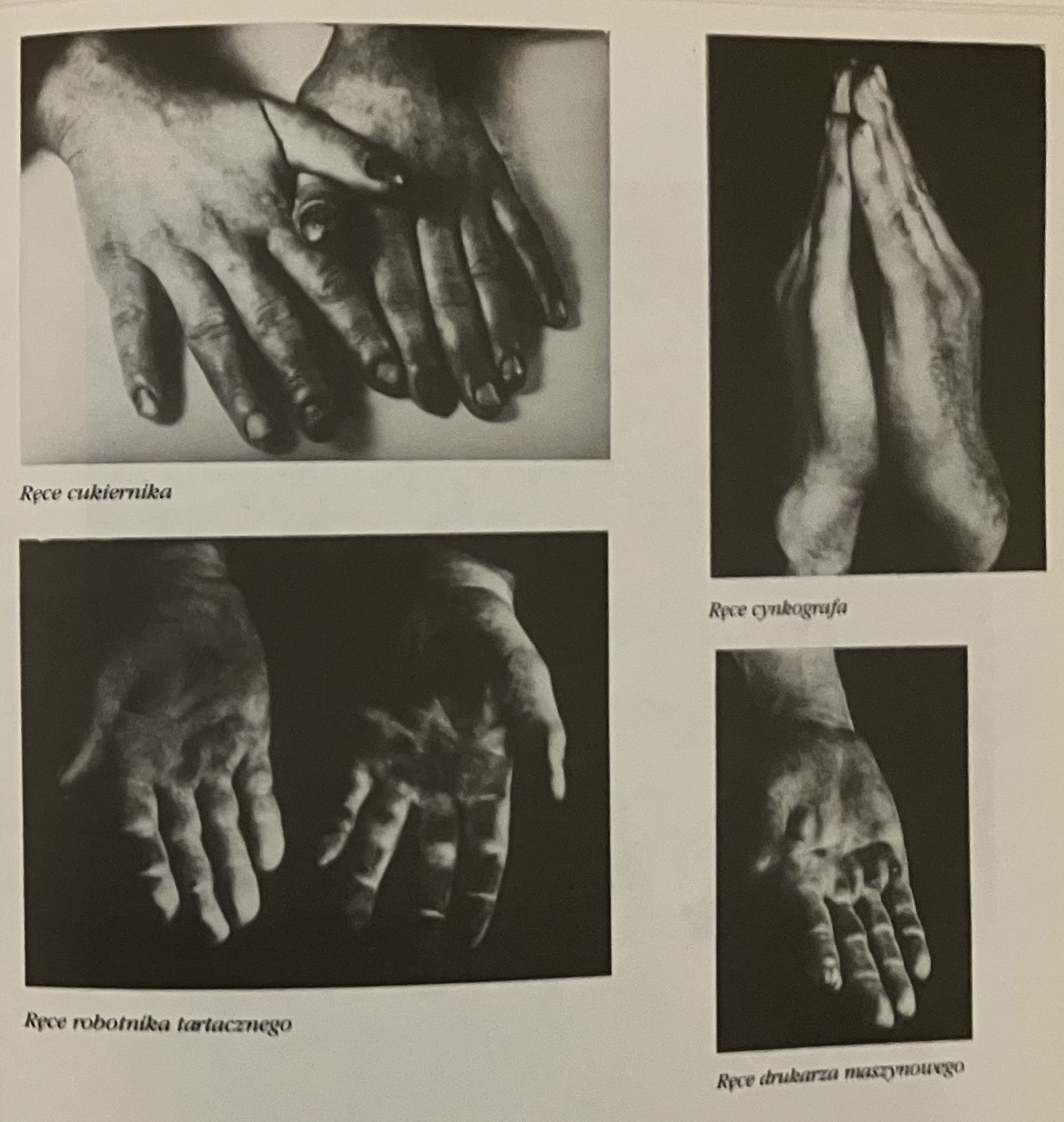
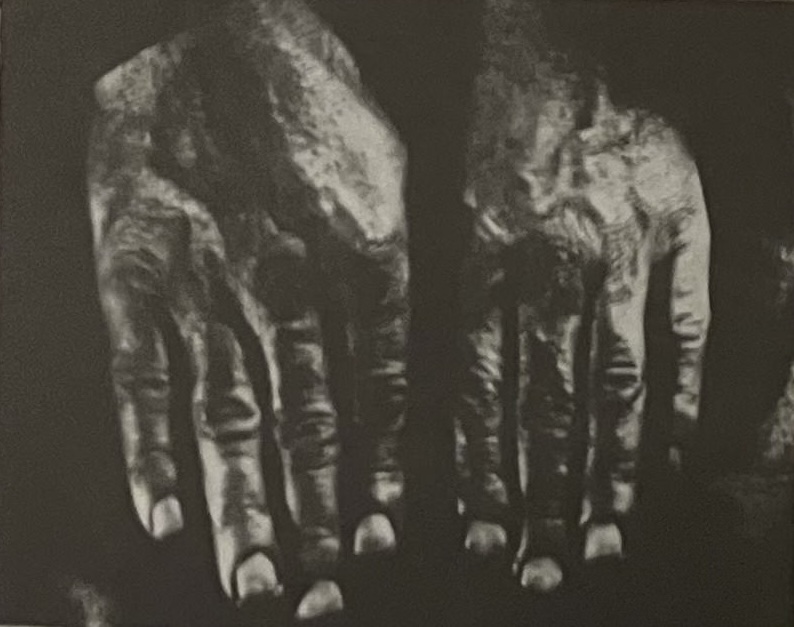
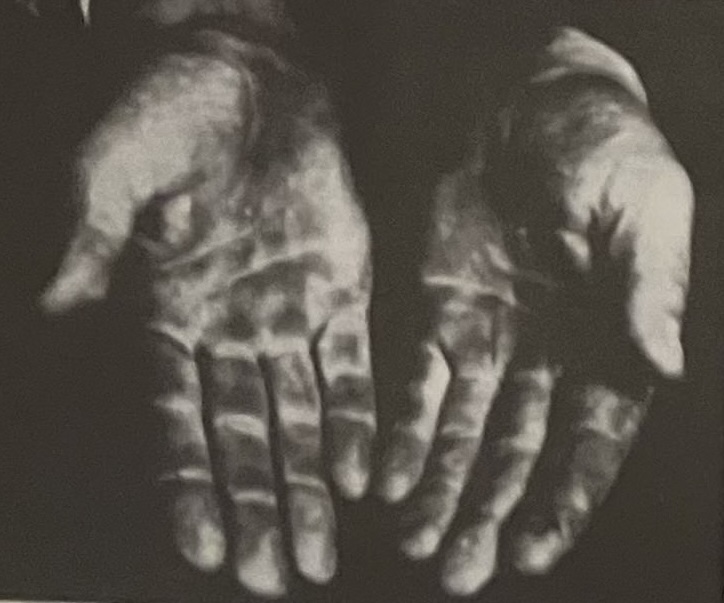
Her interest in hands was connected to her husband’s profession: Henryk Mierzecki was a dermatologist and he dedicated his magnum opus to analyzing diseases affecting workers’ hands. Mierzecka made 120 black and white photographs depicting different skin conditions on workers’ hands. This joint effort with her husband led to Working Hand, a medical publication that offered a comprehensive analysis of labor conditions at the time. The aim of the book was to revolutionize dermatology across Europe.
In the 1920s and 1930s, the couple diligently recorded their research. The final album they compiled was published in 1939, on the eve of World War II. Turning this album into a European guide for dermatology had to be postponed – in fact, indefinitely.
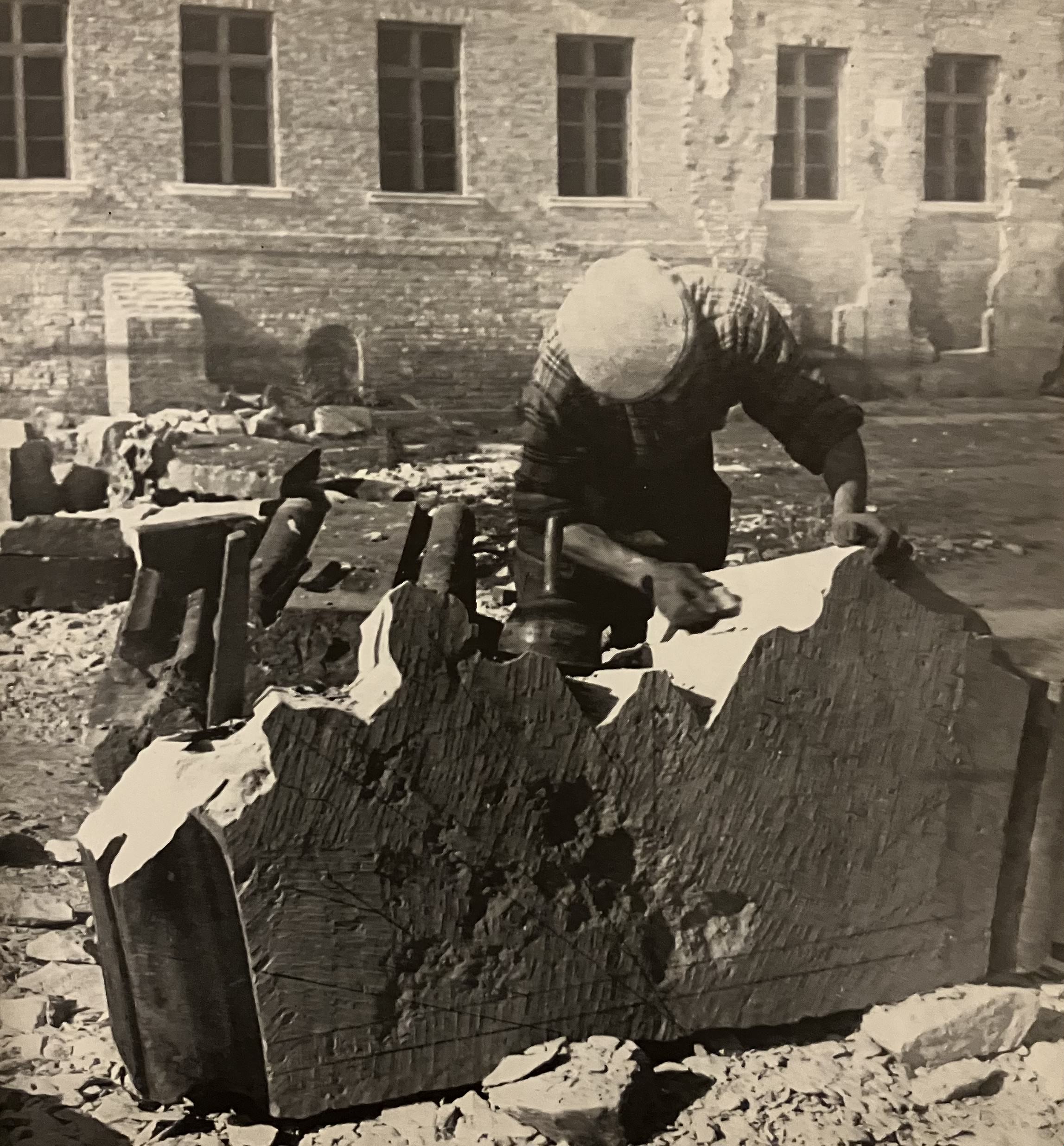
After World War II, Mierzecka pursued her attempts to trace the movements of hands and the gestures of workers. As a photographer of architecture in Wrocław, she was particularly interested in people who were involved in reconstruction work and the building of a new reality – builders, architects, stonemasons.
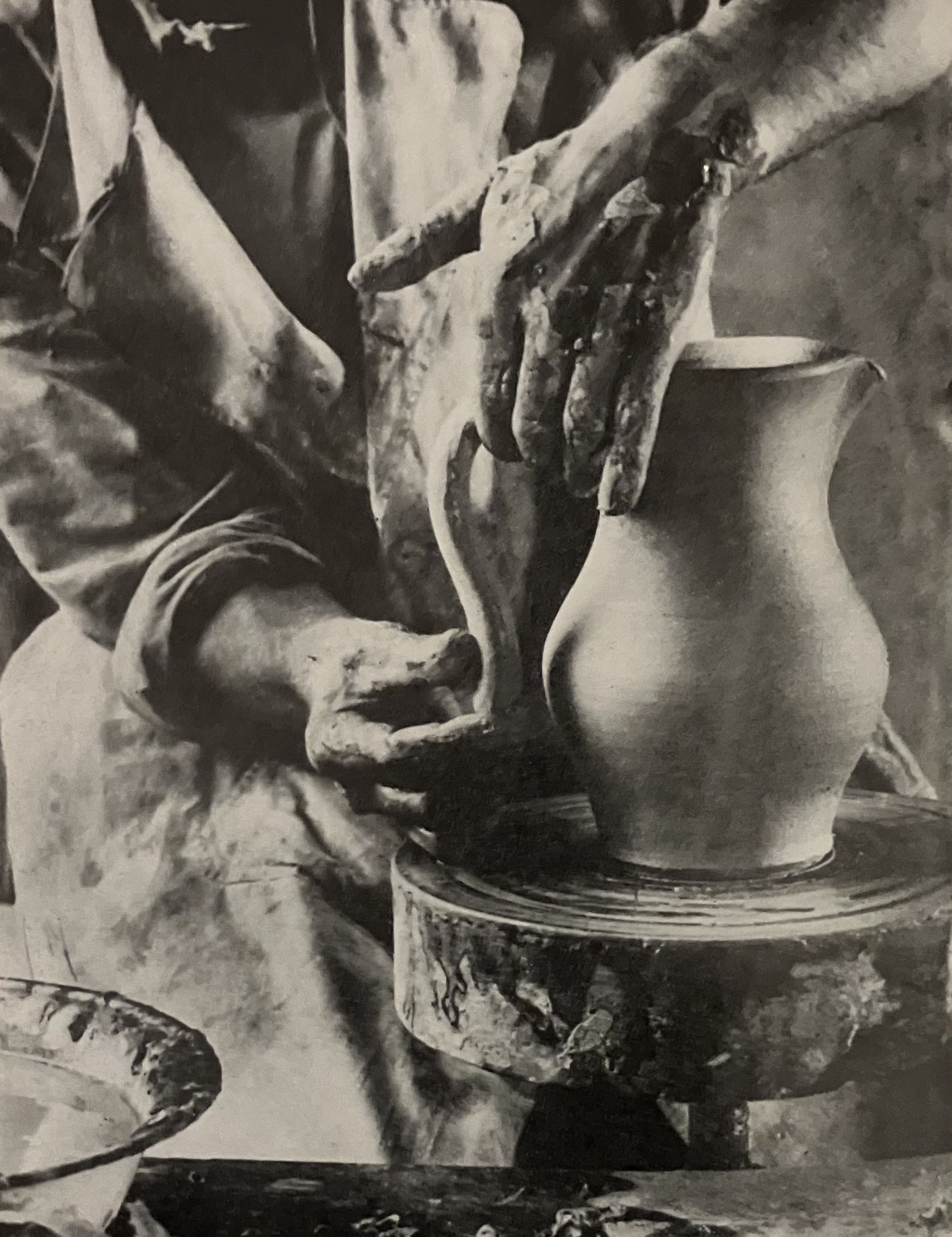
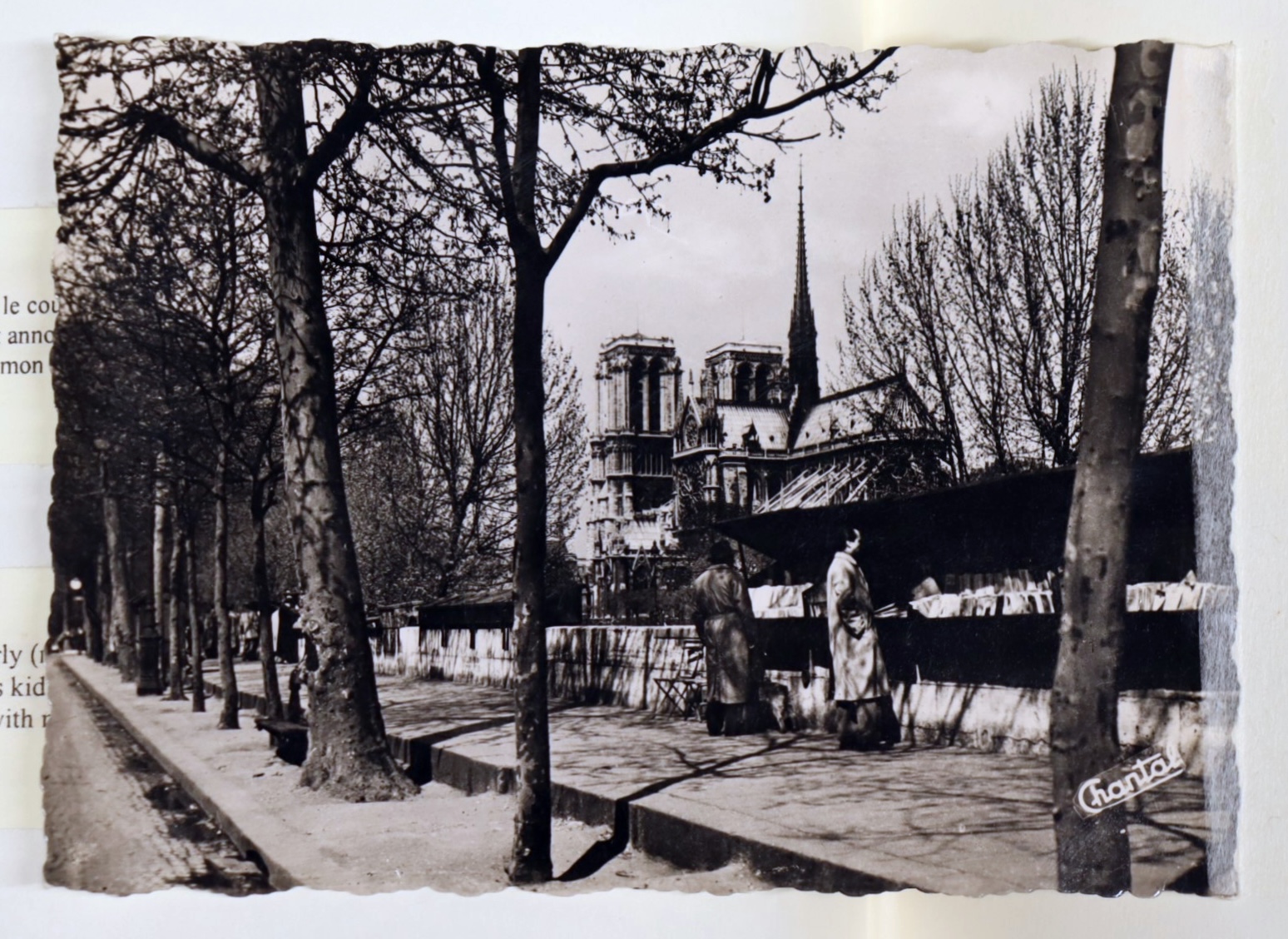
She traveled across Eastern Europe to capture Soviet street markets through her lens – this was a series of images she had first initiated as a young artist in Lviv. She portrayed vendors, exploring their expressions and gestures, searching for patterns and similarities. Her attention also extended to the markets’ customers, specifically those whose hands carefully selected items at the stalls. As part of her professional work, she was also involved in documenting artworks and the creative process that led to them. Her photographs depicted many hands at work: archivists, curators, sculptors, potters, and fellow craftsmen and artists.
Mierzecka was surely “on her own line”. With each new step taken, the next one became apparent. Lines and hand gestures intertwined at every stage.
In his book Lines, the British anthropologist Tim Ingold writes that “human beings generate lines wherever they go”. He points to the voice, hands, and feet (speech, gestures, and movement of the body) as well as to “all the aspects of everyday human activity” that bring such lines into one comprehensive field of study. In his analysis, hands are perceived as both producers of lines, and the embodiment of lines themselves. Each gesture, each created line enters in relation with another and with the surface on which it is drawn – or the space where it is performed.
Janina Mierzecka’s deliberate artistic choice involved emphasizing hands at work, and portraying them at the very moment when they create something. Gestures were reiterated, performed, and momentarily frozen. Invisible threads linked two hands, with fingers forming lines that defined each gesture. As hands generated lines (whether in art, in crafts, or in manual labor), their close embrace created yet more connections.
Throughout her career, the lines Janina Mierzecka drew always carried meaning. To answer Roland Barthes' question, one might say: they were never “stupid” – their purpose was to connect people through labor, care, and art. Using her camera, she created lines that ran in multiple directions, with hands as her central subject matter. In these images at times showing imperfections in the movements of tired, working hands, a perfect line does emerge indeed. One that, perhaps, pertains to Janina Mierzecka’s own hands: they were her compass, as her fingers pressed the shutter.