
Publications
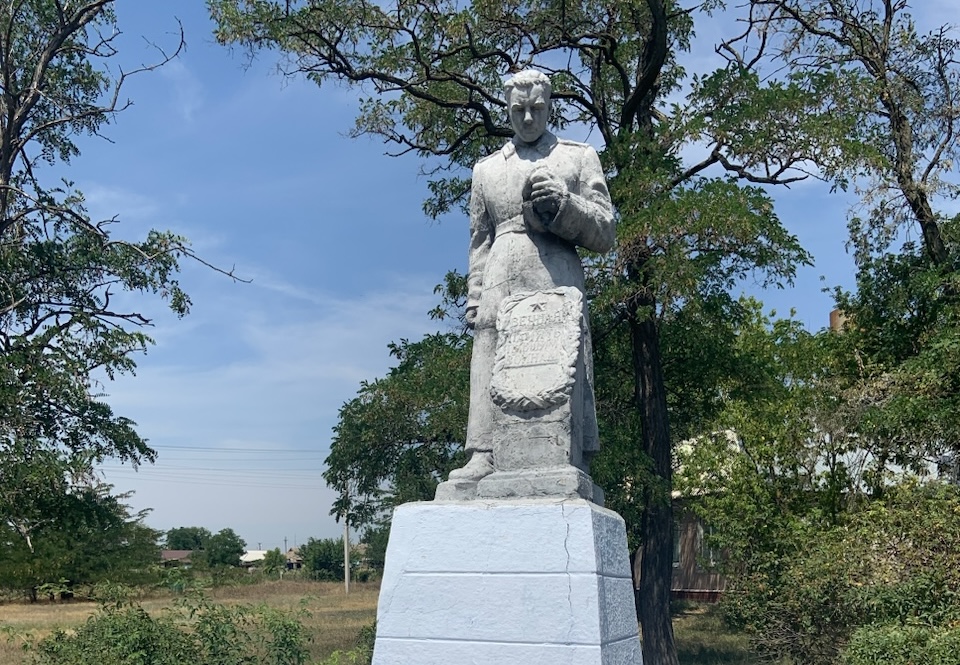
The role of war memorials goes beyond honoring the dead, they are tools of state-building, they shape collective narratives as well as offer spaces for personal mourning. Mischa Gabowitsch and Mykola Homanyuk have researched these topics by focusing on Soviet World War II monuments in different coun
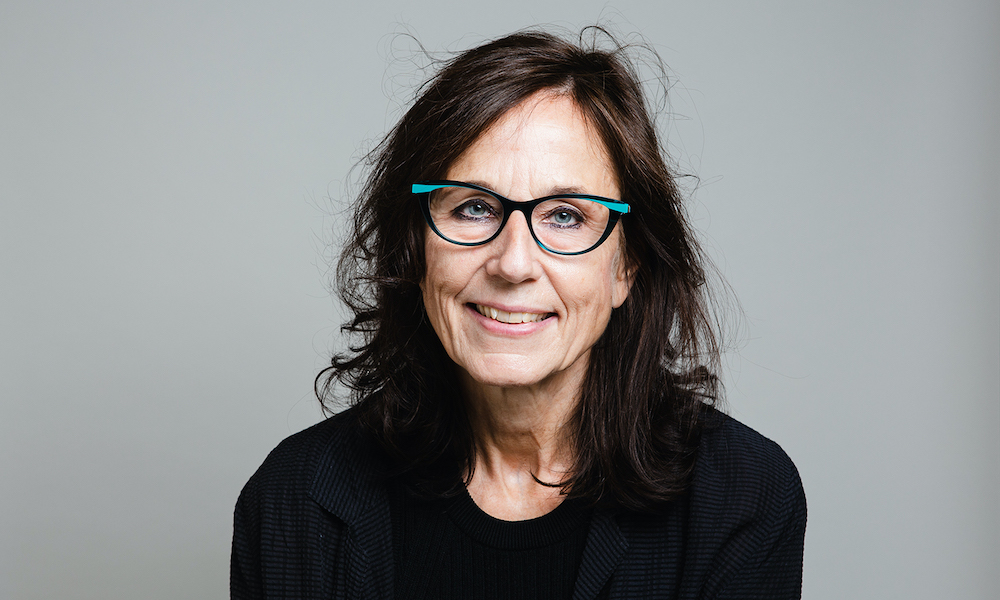
Paris-based psychoanalyst Beatrice Patsalides Hofmann has worked for three decades treating asylum seekers who were victims of torture and political violence. Since 2022 she has been helping train Ukrainian clinicians at the psychiatry department of Lviv’s Unbroken rehabilitation center. We reached
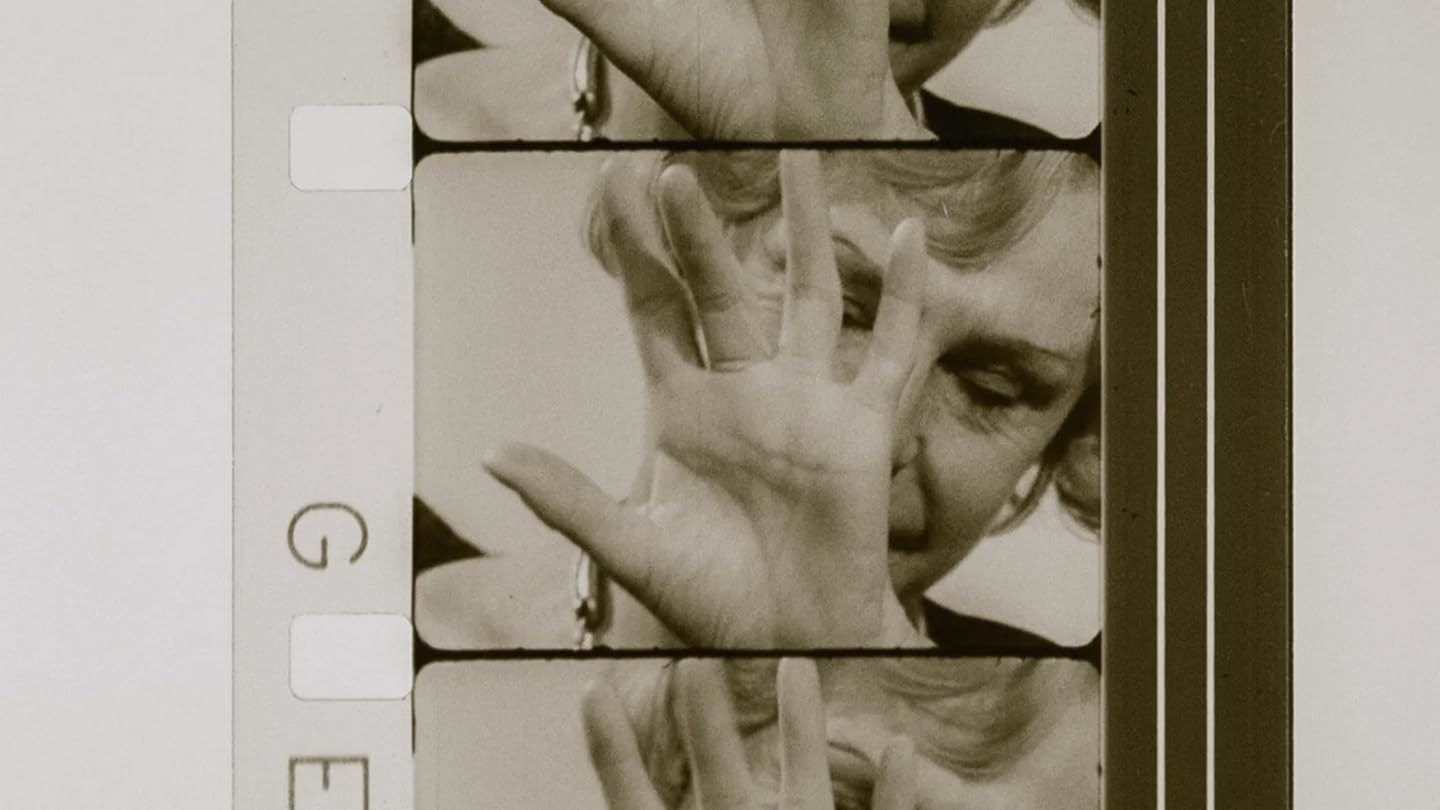
Daria Badior writes about Andres Veiel's film.
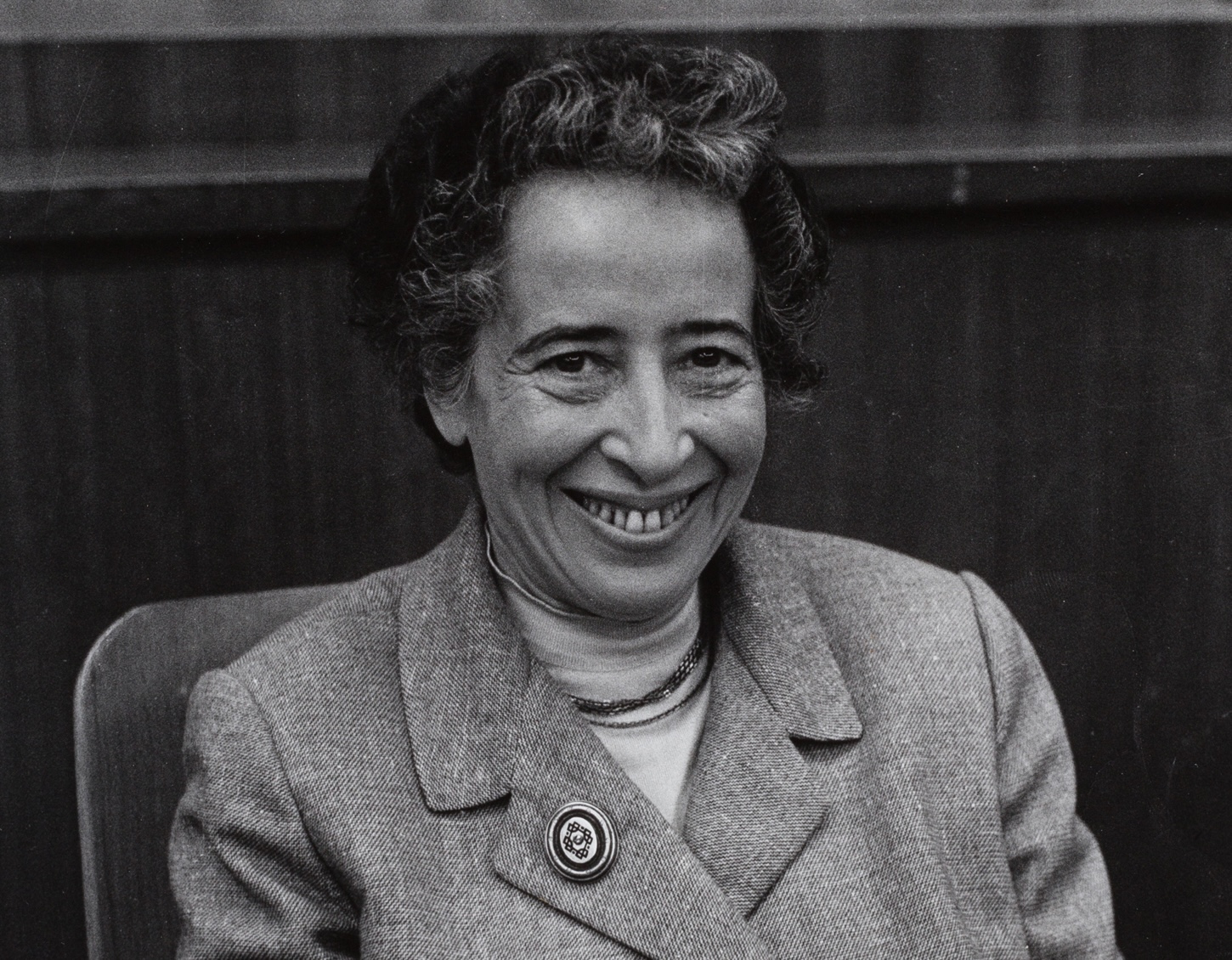
A conversation about friendship as the foundation of both ethical and political life: a relationship that allows individuals to appear before one another as free and distinct beings.
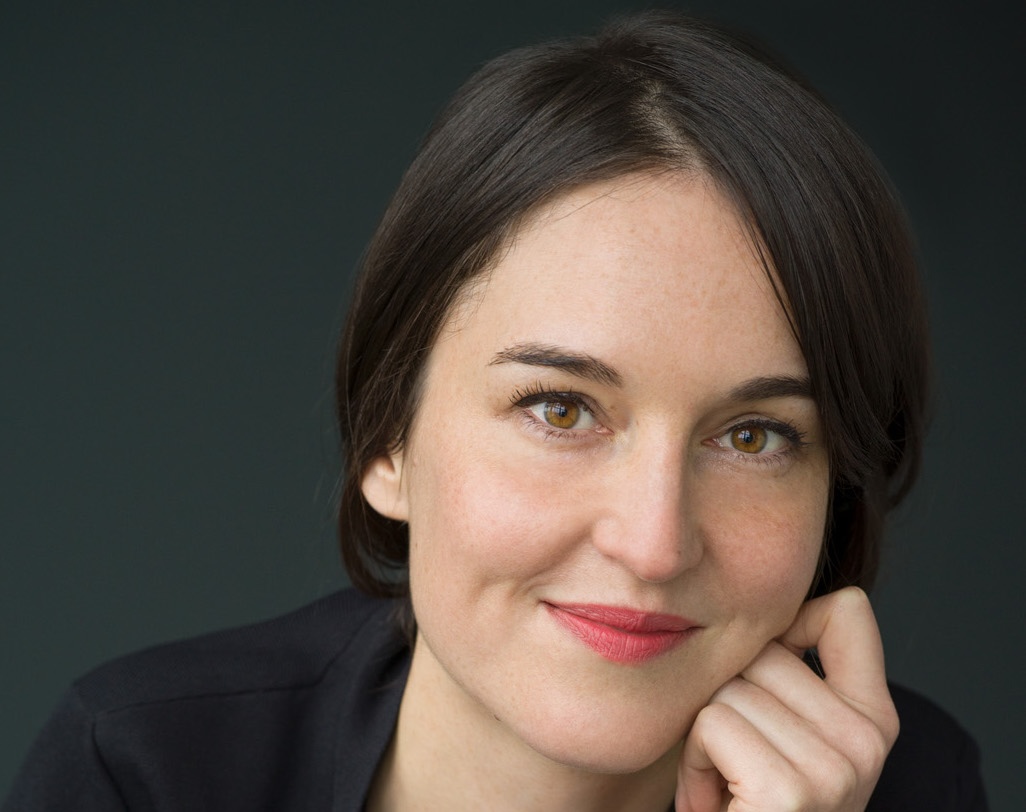
Far from serving as a settled, indisputable foundation of political life, the concept of sovereignty emerges as a fragile, flexible construct, shaped by history and reactivated whenever authority, territory and legitimacy are thrown into question. We spoke with historian Natasha Wheatley, an expert

From early libraries to the printing press to smartphones, audiobooks and artificial intelligence, how has technology impacted reading? Is reading a changing cultural practice or a fixed skill? We asked Klaus Benesh, author of the book The Myth of Reading, to reflect on literacy, interpretation, and
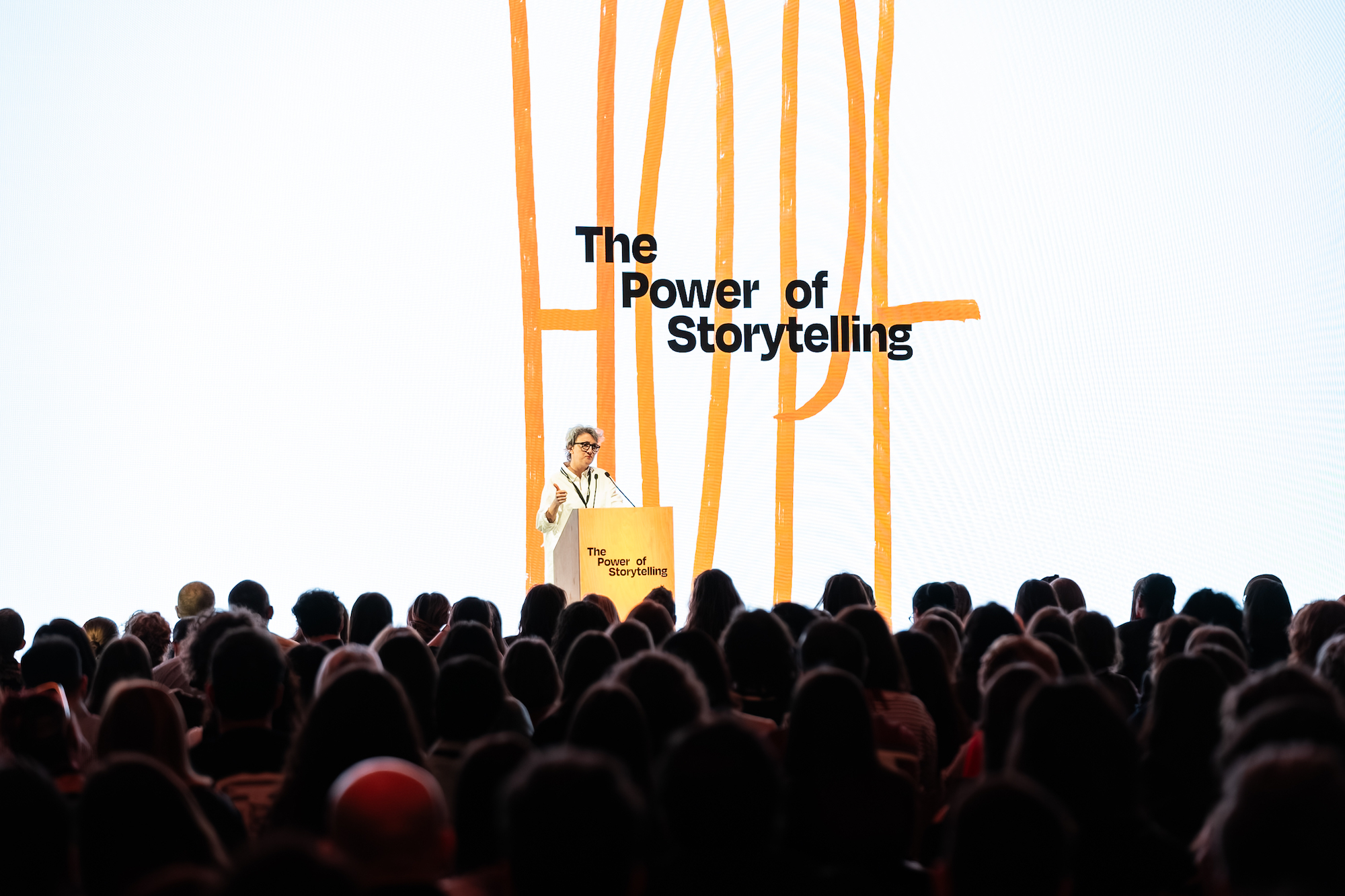
As our journal marks its first anniversary, we are publishing a speech our editor-in-chief Daria delivered at the recent Power of Storytelling conference in Bucharest. In it, she reflects on the experience of creating re/visions in wartime Ukraine. Launching the journal has been an act of care, of q
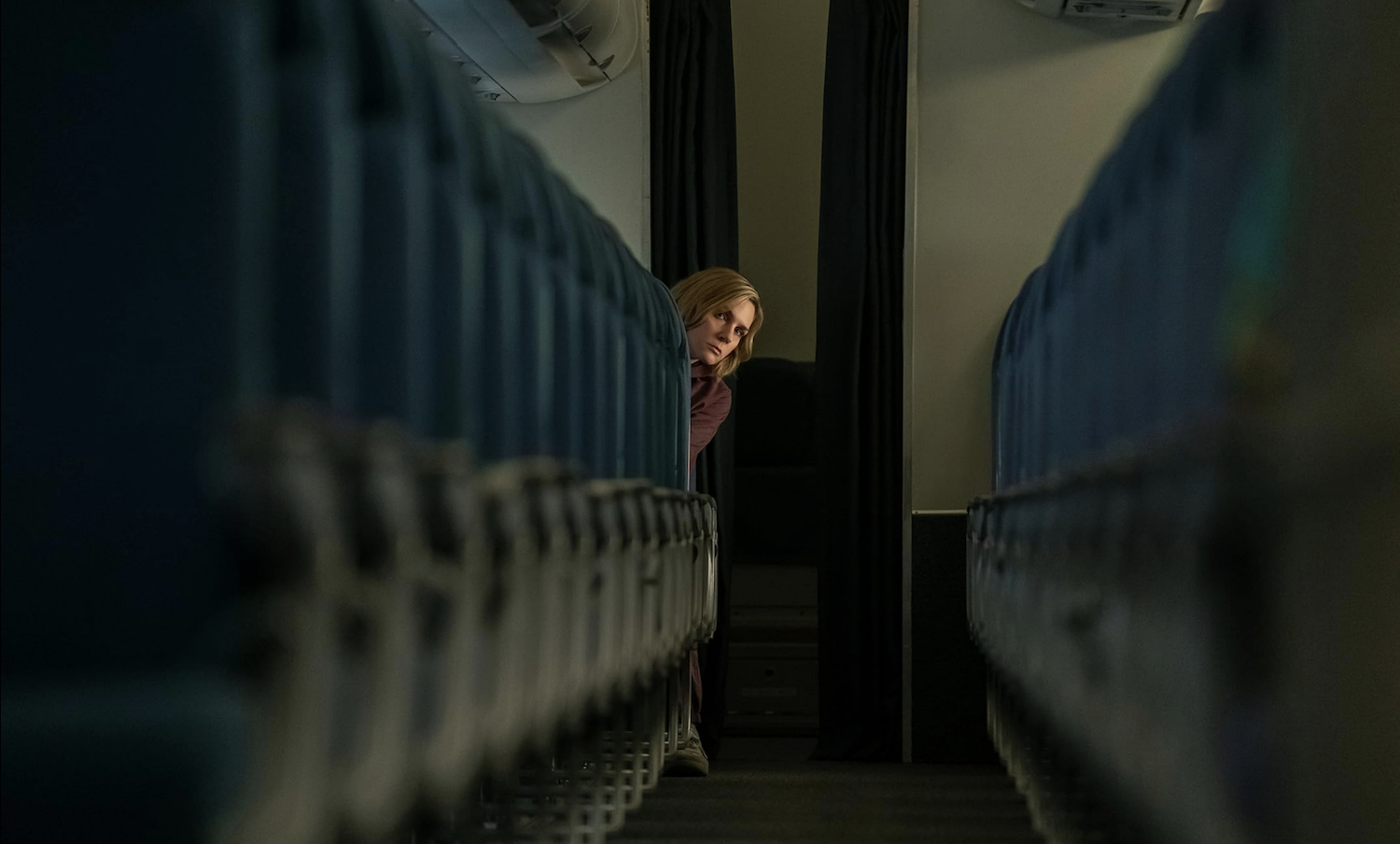
Alien invasion stories often feature flying saucers, monsters and high-tech weaponry. That’s not the case with Pluribus, a new American TV series. Instead, it offers a different – and arguably more disturbing – scenario: humanity peacefully merging into a single hive mind. The show’s first season pr
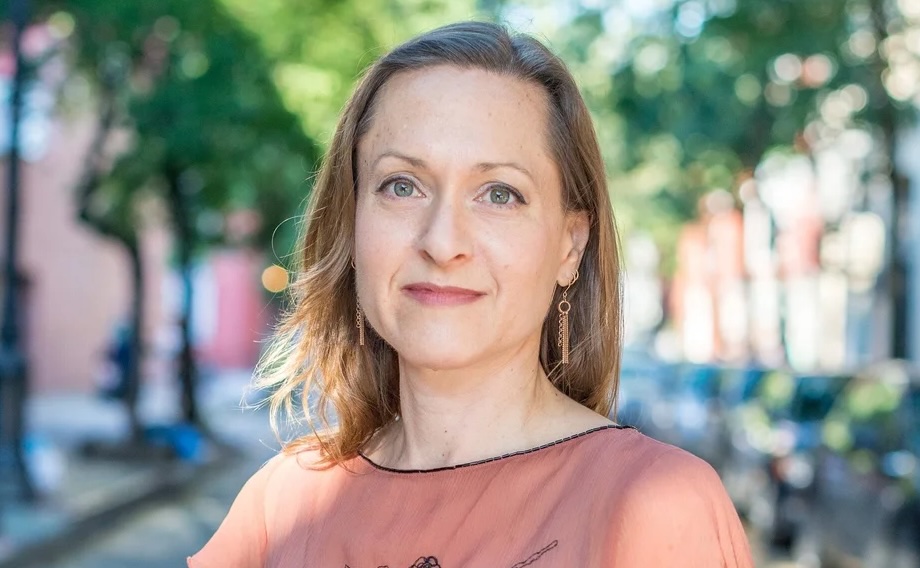
The night is more than just the end of the day. It has its own history and tells us a great deal about work, power, and society. Rest is never simply a private matter, it can be instrumentalized as a tool for social control. We spoke with historian Amy Chazkel, author of the forthcoming book The Pol